Research Areas
The applied bioinformatics research group works in several areas associated with second generation sequencing and assembly, genetic and genomic variation analysis and the discovery and application of molecular genetic markers. We work with a range of species, mostly in collaboration with a broad range of national and international research groups.

Genomics
One of our main research areas is the genomic sequencing of key agricultural species. This foundational work underpins a range of downstream analyses, including phylogenetic analysis, pangenome construction and annotation, and trait association studies. For making this data available to other researchers, we maintain a number of different sites relating to the below species:
This list is not exhaustive; we carry out genome sequencing on a variety of other plants and animal species.
Machine learning in Plant Biology
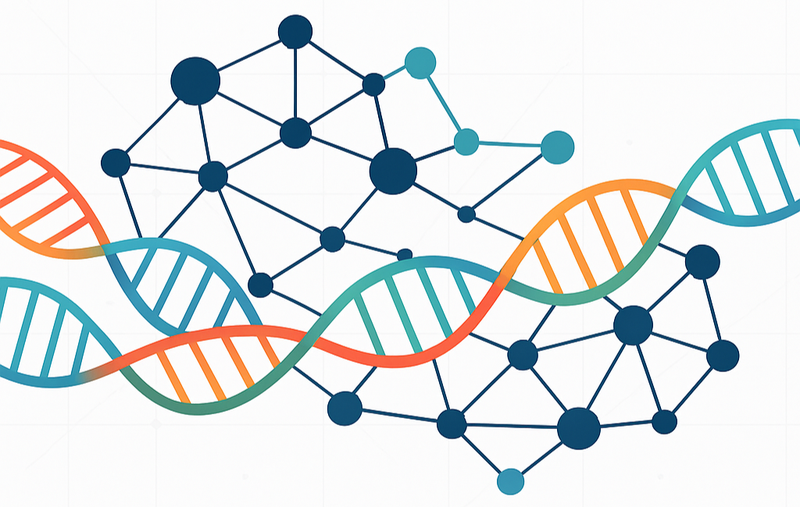
Deep learning is a rapidly evolving technique with the ability to automatically extract features and analyse complex multi-dimensional datasets with high scalability to big data.
Our research focuses on developing machine-learning based methodologies for understanding complex genotype-phenotype relationships, particularly in relation to important agronomic traits such as disease resistance and yield. Understanding the complex interplay between SNP's and haplotypes and traits such as these helps to improve global food security through more precise and efficient trait selection in breeding programs.
Pangenome Generation
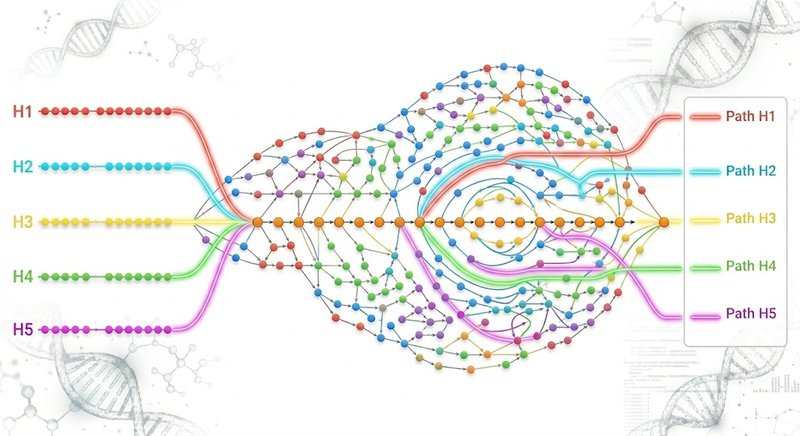
Our research explores the power of pangenomics to deepen our understanding of plant biology and evolution.
By analysing the full spectrum of genetic diversity across multiple individuals of a species, we move beyond a single reference genome to uncover structural variations, gene presence/absence patterns, and lineage-specific adaptations.
This approach allows us to identify key genetic factors involved in stress tolerance, disease resistance, and crop performance. Leveraging pangenome data helps us build more accurate models of gene function and paves the way for more informed breeding strategies aimed at enhancing plant resilience and productivity.
Bioinformatic Software Development
The group also specialises in building scientific software for analysis and visualisation of genomic data. This includes tools such as Haplovar - an R package for defining local haplotype variants and Daisychain - a software for identifying genomic structural variation amongst individuals.